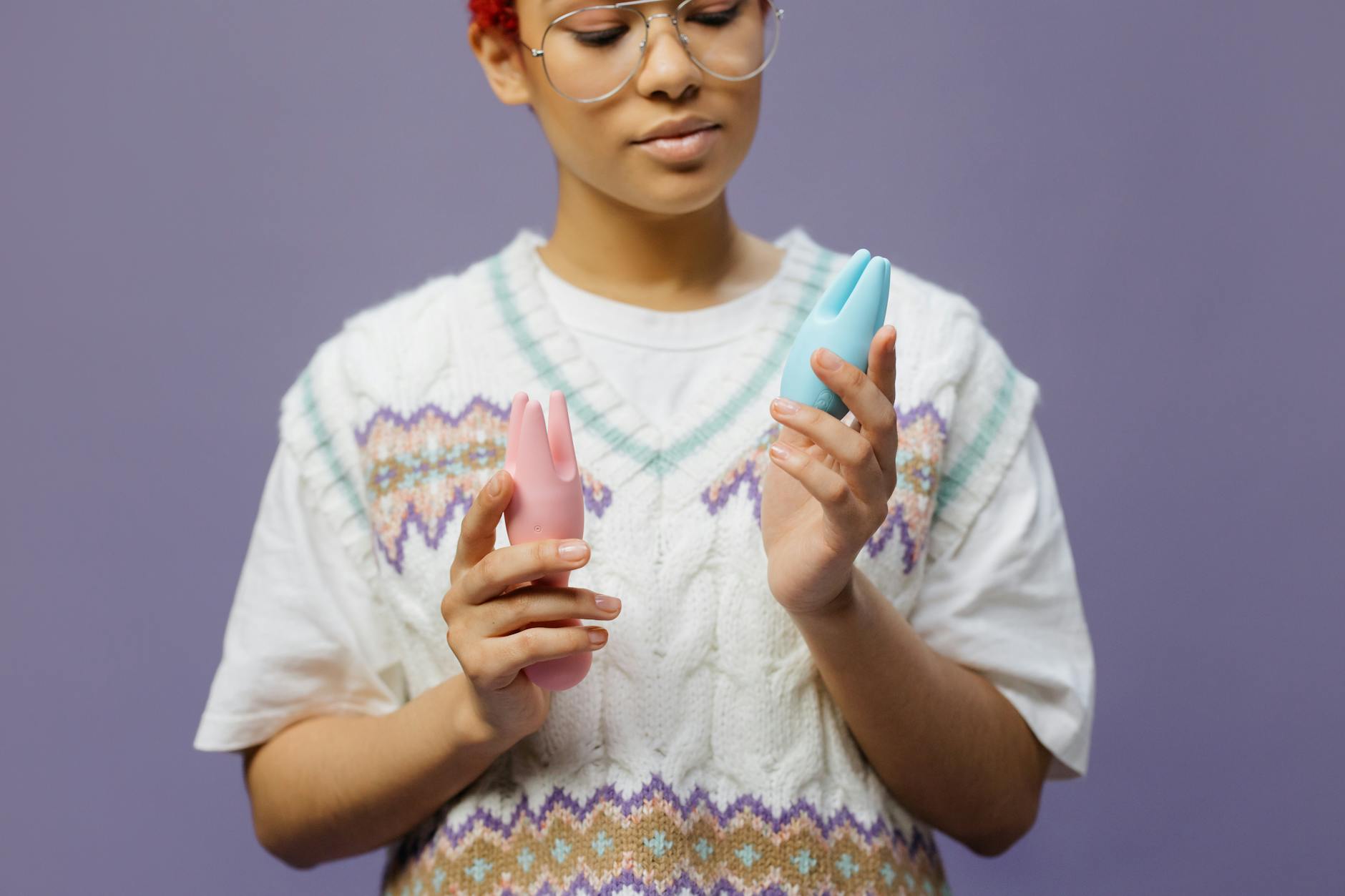
Here's the thing nobody talks about
You want to use a lemon clitoral vibrator. Your partner doesn't want you to. Not because they care about your pleasure. They just. Don't. Want. It. And that gap, that mismatch between what you want and what your partner can tolerate, is one of the most common relationship tensions I see in my practice. It's not actually about the toy.
What resistance really signals
When a partner resists toys, they're usually reacting to one of five things. Understanding which one is happening changes everything.
Insecurity. They believe (often silently) that a vibrator means they're not enough. That you're unsatisfied with what they provide. This is the most common resistance, and it's almost never about the toy itself.
Loss of control. Some people feel destabilized when they can't control your pleasure. You having an independent path to orgasm feels like a threat to their role.
Discomfort with sexuality. Your partner might have grown up around shame, or they might have a mismatch between their intellectual openness and their gut response. They think they should be cool with toys, but the reality makes them squirm.
Practical concern. Occasionally, resistance is about pain, time, or physical comfort. "It feels clinical" or "I don't want to wait around."
Different pleasure maps. You might be someone who needs external stimulation to get there. They might be someone who climaxes through penetration alone and assumes everyone works that way.
The conversation you need to have isn't "Can we try a toy?" It's "What are you actually worried about?" That's a completely different dialogue.
The conversation that actually works
I recommend doing this outside the bedroom, with zero pressure, and with a genuine invitation to honesty. Not during sex prep. Not when you're already aroused. Choose a calm moment and say something like this.
"I've been thinking about trying a vibrator. I want to be straight with you about it. I'm not saying anything is wrong with what we have. I'm saying I want to explore this for me. I'm telling you now because I don't want you to feel surprised or hurt later. I'd love your support, but I need to be honest. I'm going to do this either way. I'm asking if you want to understand it first."
That last sentence matters. You're not asking permission. You're stating a boundary while offering them the chance to be part of the conversation instead of against it.
Their response tells you what you're actually working with. If they soften and ask questions, you've got an opening. If they push back harder, you've got a different problem. That's a compatibility or control issue that goes way beyond toys.
What happens if they stay resistant
Listen, here's what I tell couples in my office. You have the right to your own pleasure. Full stop. That doesn't mean you force a toy into your partner's face during sex or make them watch or weaponize it in an argument. It means you use lemon vibrators on your own time, in your own body, and you don't apologize for it.
Many people worry that solo exploration with a vibrator will damage their relationship. The opposite is usually true. The resentment of being told your pleasure doesn't matter? That damages relationships. The shame of hiding what you want? That damages them. The feeling that your partner doesn't trust you or respect your body? That's what erodes connection.
Using a lemon clitoral vibrator solo while your partner resists doesn't threaten the relationship. Staying silent about what you need while internally fuming? That does.
Building comfort over time (if they're willing)
Some resistant partners soften with exposure and context. Not pressure, just time and information.
Start with education, not the toy. Share an article (maybe this one). Show them the engineering behind how a lemon sucker or lemon vibrator actually works. Destigmatize it. Make it science, not threat.
Let them initiate the next step. Don't sneak the vibrator into the bedroom. If they ask about it, answer honestly. If they don't, don't introduce it yet.
Use it solo first. Let them know you're exploring this on your own. Sometimes knowing their partner is having better orgasms alone shifts their curiosity. Sometimes they realize the toy isn't replacing them. It's augmenting the experience.
Invite them to watch, not participate. "I'm going to explore this. You can stay or go. No pressure either way." If they stay, they're choosing to be part of it. That's different than being forced into it.
Connect the dots to your shared pleasure. After you've used a clitoral vibrator solo and you understand what works, bring that knowledge back to partnered sex. "I learned that I like this pattern before intercourse. Want to try that together?" Now the toy is a bridge to pleasure you share, not a replacement for them.
The solo path (and why it matters more than you think)
If your partner never comes around, using lemon vibrators independently is completely valid. You deserve to know your own body, to experience intense orgasms, to explore pleasure without judgment. That's not a consolation prize. That's self-knowledge.
Many people find that solo exploration with clitoral vibrators actually improves partnered sex. You know what you like. You can guide your partner. You're not waiting for them to figure out what your body needs.

Photo by Olga Lioncat on Pexels
When resistance is actually a red flag
I want to be clear about something. If your partner's resistance comes with shame, blame, or attempts to control what you do with your body, that's not a toy issue. That's a relationship issue. Toys don't create controlling dynamics. But they can expose them.
If you're hiding what you want, apologizing for your pleasure, or feeling like you need permission to touch your own body, that's worth examining with a therapist, not with a lemon vibrator. The toy isn't the problem. The power dynamic is.
Most of the time, resistance softens with context, time, and a partner who genuinely wants to understand. But sometimes resistance is about deeper incompatibility. You get to decide what's worth working on and what isn't.
FAQ: Partner Resistance and Toys
Why does my partner feel threatened by a vibrator when they say they want me to enjoy sex?
Because intellectual approval and gut comfort are different things. Your partner might genuinely want you to have pleasure AND feel genuinely destabilized by toys. Both are true. The threat isn't about your pleasure. It's usually about their insecurity, or about losing their role as your sole source of pleasure. Address the insecurity, not the toy.
Can I use a lemon clitoral vibrator without telling my partner?
Technically yes. But if you're hiding it, you're operating from shame or fear of their reaction. That's a signal that something larger needs attention. If the relationship requires you to hide solo pleasure, that's worth examining. That said, your body is yours. You're not asking for permission to masturbate with your hands. A vibrator isn't fundamentally different.
What if we've tried using toys together and they still hate it but don't want me to use it solo?
That's control, not comfort. Someone who wants you to have pleasure but forbids the method you need is managing their insecurity at your expense. That deserves a serious conversation outside the bedroom with honesty about what you need and what you'll accept.
Does using a lemon vibrator solo damage intimacy with a partner?
No. Resentment damages intimacy. Shame damages it. Hiding damages it. Solo pleasure with a lemon sucker or any clitoral vibrator usually improves partnered sex because you're not carrying frustration into the bedroom. You feel resourced, not deprived.
How do I talk to my partner about wanting to use vibrators after years of not mentioning it?
Start with honesty about why you didn't mention it. "I was worried about hurting your feelings" or "I didn't think you'd understand." Then separate the two conversations. "This isn't about you. This is about me wanting to know my body better. I'm telling you now because I respect you enough to be truthful." Make it clear this is happening. You're inviting them to understand, not asking permission.
If my partner eventually wants to use toys together, how do we start?
Let them choose the experience. Not the toy necessarily, but the circumstance. Do they want to use it during penetration? Do they want to incorporate it into foreplay? Do they want to focus on one partner's pleasure at a time? Let them shape the experience. That gives them back agency and often softens the initial resistance.
The real issue is almost never about lemon vibrators
I've worked with hundreds of couples where toys became the focal point of a larger conversation about control, desire, and trust. The vibrator is just the surface. What's underneath is usually about whether both people feel that their needs matter equally. Whether the partnership is built on mutual respect or one person's comfort.
If your partner can grow into acceptance, that's beautiful. If they can't, that's information too. You get to decide what kind of relationship you're in and what you're willing to accept. Your pleasure is not negotiable. How your partner responds to that boundary tells you everything about the relationship.
Want to talk through your specific situation? We can work through this together. Reach out anytime.