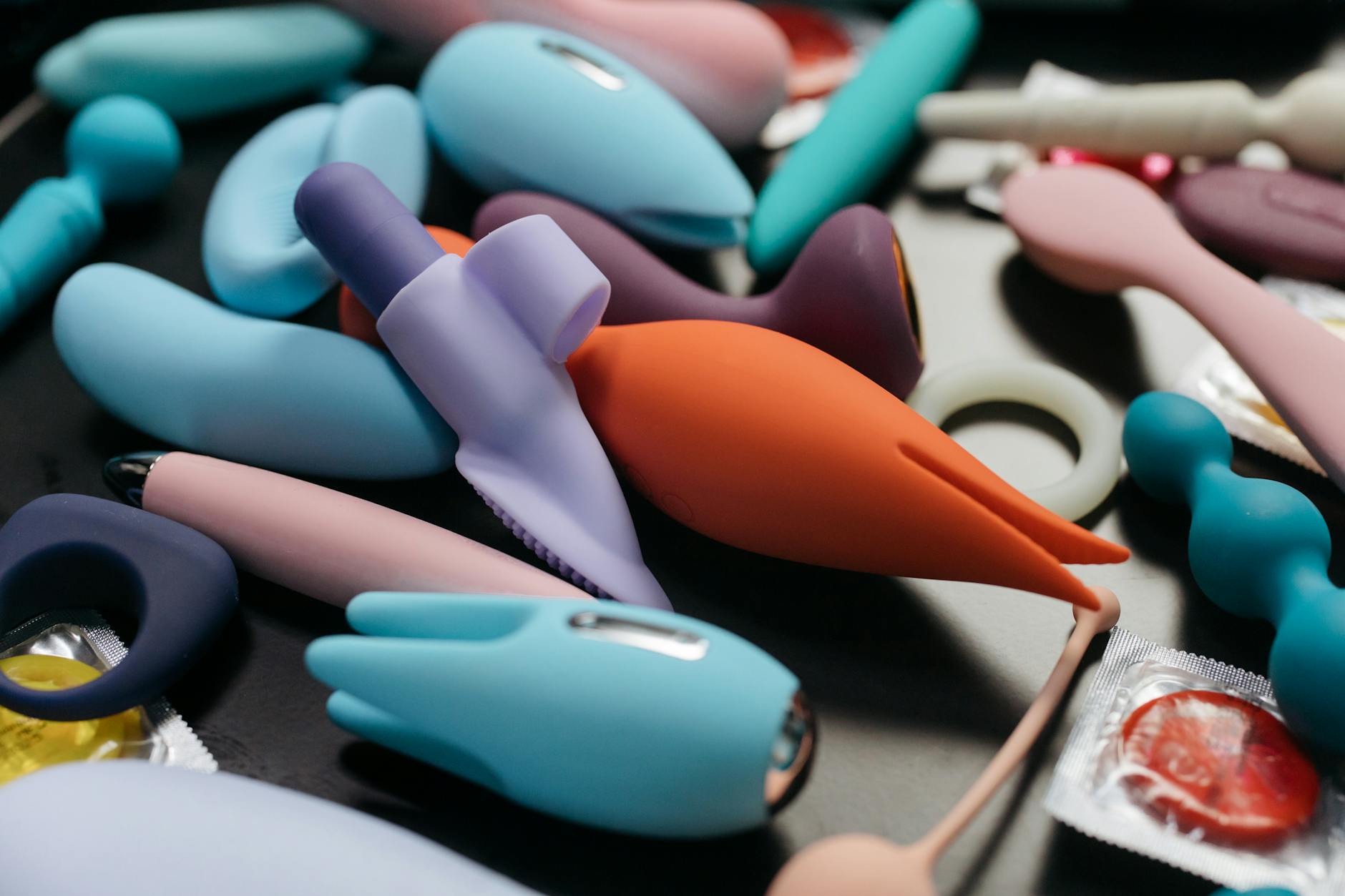
When desire doesn't match, pleasure can feel like a problem
Here's what I hear in couples therapy more than almost anything else: one partner wants sex three times a week. The other wants it three times a month. Nobody's broken. Nobody's doing anything wrong. But the gap creates a particular kind of loneliness, because sex becomes a negotiation instead of a connection.
Libido mismatch is wildly common, and it's not actually the real problem. The real problem is that most couples don't know how to use that mismatch as information instead of a referendum on the relationship.
Lemon vibrators, specifically suction toys like the Lem, change the dynamic because they're not about "fixing" the lower-desire partner or pressuring them into frequency they don't want. They're about creating pleasure moments that don't require the same energy investment as partnered sex. That distinction matters more than you'd think.
Why libido mismatch happens (and why it's not what you think)
Most couples assume libido differences are about attraction. Sometimes they are. Usually, they're not.
Libido is shaped by stress, sleep, medication, relationship conflict, self-worth, work pressure, hormonal cycles, and about fifteen other things that have nothing to do with how much someone loves their partner. I've worked with couples where the higher-desire partner was exhausted from overworking, or the lower-desire partner had depression medication tanking their sex drive. The attraction was never the issue.
What makes the gap painful is the story couples tell themselves about it. "They don't want me" becomes the narrative. What's actually happening is more like "They want sex less frequently than I do right now, for reasons that are mostly outside both our control."
The second version opens a door. The first one locks it.
Lemon clitoral vibrators work in this context because they let both partners show up for pleasure without one person feeling responsible for generating the other's desire. The higher-desire partner gets to experience sensation and orgasm without waiting for the lower-desire partner to be "in the mood." The lower-desire partner gets to engage with pleasure on their own timeline, without the pressure of performance or reciprocation.
Setting up the conversation (before you bring the toy)
This is the part most couples skip, and it's the most important part.
You cannot hand someone a lemon vibrator and expect it to fix a libido mismatch. That's not how this works. You also can't frame it as a solution to "your problem," because from the lower-desire partner's perspective, there is no problem. Their body is working fine. They just want sex less often.
Here's what actually needs to happen first: you both need to agree that the gap is real, it matters, and neither of you caused it. Then, you agree that you want to explore ways to stay connected that don't require you to feel pressured or resentful.
The conversation sounds like: "I notice we have different desires right now, and I don't want that distance to affect how close we feel. I've been thinking about ways we could explore pleasure together that feel good for both of us, without anyone having to push themselves. Would you be open to trying something?"
Notice what's missing: blame, pressure, the implication that something is broken. Notice what's there: curiosity, collaboration, genuine openness to the "no."
If the answer is no, that's information. Respect it. If it's yes or maybe, you move forward from genuine partnership, not desperation.
How to introduce lemon vibrators without making it weird
Most couples introduce toys badly. One person brings one home as a surprise (loaded with expectations and shame). Or they order it secretly (which codes as dishonesty). Or they suggest it in a way that sounds like "something's wrong with you."
None of that works.
Instead, frame it as an exploration for both of you. "I read about these lemon clitoral vibrators that use suction instead of vibration. A lot of couples say it makes sensation feel totally different, and I'm curious if that might be fun for us to try together." Notice the word "together." You're not buying this for the lower-desire partner to "fix" themselves. You're buying it for both of you to discover something new.
Order it together. Talk about it when it arrives. Let the lower-desire partner hold it, examine it, ask questions. No pressure to use it immediately. You're normalizing it as an object, not a referendum on anyone's sexuality.
When you do use it for the first time, the higher-desire partner should go first. This does two things. One: it shows the lower-desire partner that you're not asking them to do something you won't do. Two: it takes the pressure completely off them. They get to be a curious observer, not a performance participant.
The actual mechanics (how this bridges the gap)
Let me be specific about how lemon vibrators actually change the dynamic.
A typical higher-desire partner's problem is this: they initiate sex. The lower-desire partner either says no or agrees but isn't fully engaged. Over time, initiating feels like rejection. Over more time, the higher-desire partner stops initiating, and now both people are lonely.
With a clitoral vibrator like the Lem, you can shift the pattern. The higher-desire partner uses the toy solo while the lower-desire partner is present. That sounds like "alone together." What it actually does is create space for both people to experience pleasure without one person feeling responsible for the other's satisfaction.
Maybe you're in bed together and you start using the toy while your partner reads or watches something. No pressure. No expectation that this leads to partnered sex. Just two people coexisting in a way that feels good for both of you.
Some couples find that being next to a partner who's experiencing visible pleasure actually is arousing, even if they weren't interested in sex ten minutes earlier. Their desire shifts. Sometimes it doesn't. Both outcomes are fine.
The deeper shift is this: pleasure stops being something that has to happen between you. It becomes something you both get to have, with or without each other. That's actually when couples reconnect most genuinely.
Using lemon suction toys to rebuild desire together
Here's where it gets good. After a few weeks of the higher-desire partner using a lemon vibrator while the lower-desire partner is just... there, something often shifts.
The lower-desire partner sees that pleasure is available. They see that their partner is having fun without expectation. And sometimes, from that relaxed place, they get curious. "Can I try that?" Not because they feel obligated. Because they're actually interested.
When that curiosity shows up, this is where couples therapy wisdom meets practical sex advice: go slow. Don't make this into "finally, we're having sex again." Make it into "let's explore what feels good for you."
The lower-desire partner might use the lemon vibrator solo while the higher-desire partner watches. Or they might use it together. The point is that the lower-desire partner gets to set the pace. They get to experience pleasure without reciprocal pressure. They get to say "I'm done" without that meaning they've rejected their partner.
Many couples find that once the lower-desire partner experiences how different a suction toy feels compared to other vibrators, they actually want to use it more often. Not because they suddenly have higher libido, but because this particular sensation is genuinely pleasurable and low-pressure.
Staying connected when frequency still doesn't match
Real talk: sometimes you use lemon clitoral vibrators, you have all the right conversations, and the libido gap persists. One person still wants sex weekly, the other still wants it monthly. That's not a failure. That's just reality for some couples.
What changes is the emotional charge around it. Because you've both found ways to experience pleasure that don't require synchronized desire, the gap stops feeling like rejection. It just becomes a difference.
Some of my couples develop a rhythm where they have partnered sex on a schedule that works for both of them, and the higher-desire partner uses a lemon vibrator for solo pleasure in between. No resentment. No begging. No shame. Just two adults managing their bodies' different needs.
Other couples find that exploring with toys actually does increase desire for both people. Not because anything was broken before, but because they've created safety around pleasure, and safety is sexy.
Common questions about lemon vibrators and libido mismatch
Will using a lemon vibrator make my partner feel replaced?
Only if you frame it that way. If you introduce it as "something's wrong with you, so here's a toy," yes, that's going to sting. If you frame it as "I found something we both might enjoy, and I want to explore it with you," the emotional context is completely different. The toy is not a replacement. It's an addition. The story you tell matters more than the object.
Can using lemon clitoral vibrators actually increase the lower-desire partner's libido?
Sometimes, yes. Not because the toy magically changes hormones, but because removing pressure and creating safety can naturally increase desire. When someone doesn't feel like sex is a performance they have to deliver, and they're not managing their partner's disappointment, sexual interest often naturally rises. Other times, the lower-desire partner's libido stays the same, and that's okay too.
Is it normal to feel jealous watching my partner use a lemon vibrator?
Completely normal. Jealousy usually signals something worth exploring: maybe you feel like you should be the source of your partner's pleasure, or you're worried about being replaced, or you're grieving the sex life you thought you'd have. These are all valid feelings. They're also all things couples therapy can help you work through. The feeling doesn't mean the vibrator is a bad idea. It means you have something to talk about.
How often should we be using lemon vibrators together if we have a libido mismatch?
There's no rule. Some couples use them weekly. Some monthly. Some never together, but both use them individually. The goal isn't frequency. It's consistency and comfort. If using a vibrator once a month feels good and sustainable for both of you, that's right. If once a week feels better, that's right. If you both prefer solo use, that's right too.
Can a lemon vibrator help if my partner uses medication that lowers their libido?
Absolutely. Antidepressants, birth control, blood pressure meds, and lots of other medications can dampen desire and sensation. A vibrator like the Lem uses suction, which stimulates in a different way than traditional vibration. For some people on medication, that different sensation is more effective. It's also lower-pressure because you're not trying to generate arousal through partnered sex. You're just exploring what feels good, with no expectation. That distinction matters when medication is involved.
What if my partner thinks using a toy during sex means they're not enough for me?
This is about reassurance and conversation, not about convincing them they're wrong to feel something. "I love having sex with you. I also want to explore ways my body can feel pleasure. These aren't mutually exclusive" is honest and grounded. If they're struggling with feelings of inadequacy, that might be worth exploring with a therapist. But using a lemon clitoral vibrator doesn't mean anything is wrong with your partner. It just means you both get to have pleasure.
The real shift
Libido mismatch stops being a problem the moment both partners stop making it mean something about the relationship. The higher-desire partner isn't rejected. The lower-desire partner isn't broken. You just have different rhythms right now.
Lemon vibrators, because they create space for solo pleasure without pressure or performance, actually make that reality easier to live with. When pleasure isn't always a joint project, the gap stops feeling like loneliness.
That's when couples actually reconnect. Not by forcing frequency to match, but by building a relationship where both people's bodies, desires, and needs get to exist alongside each other without anyone having to shrink.
If you're thinking about exploring this with your partner, start with the conversation. The toy is the easy part. The willingness to be curious about your partner's body and your own is what actually changes things.